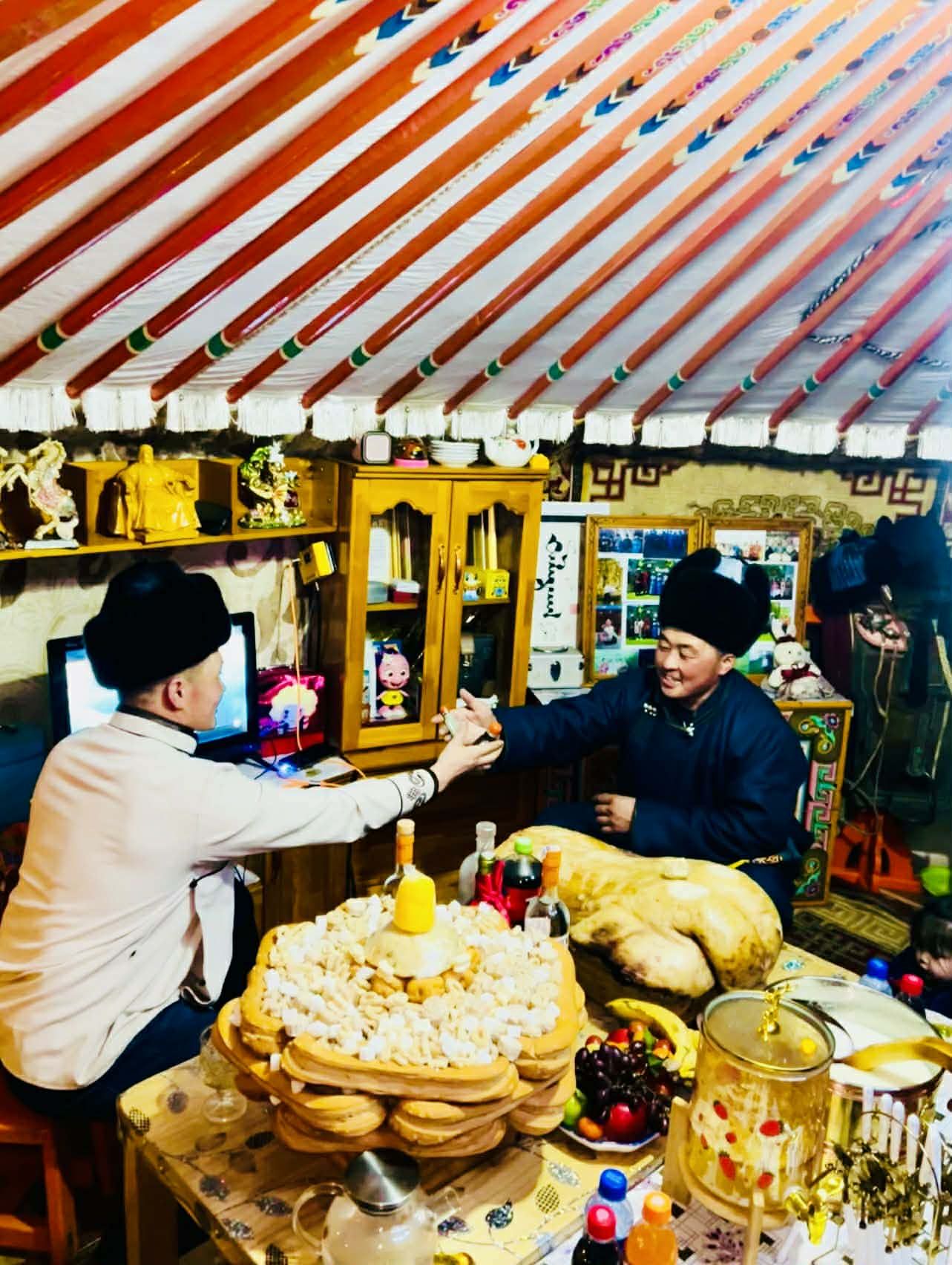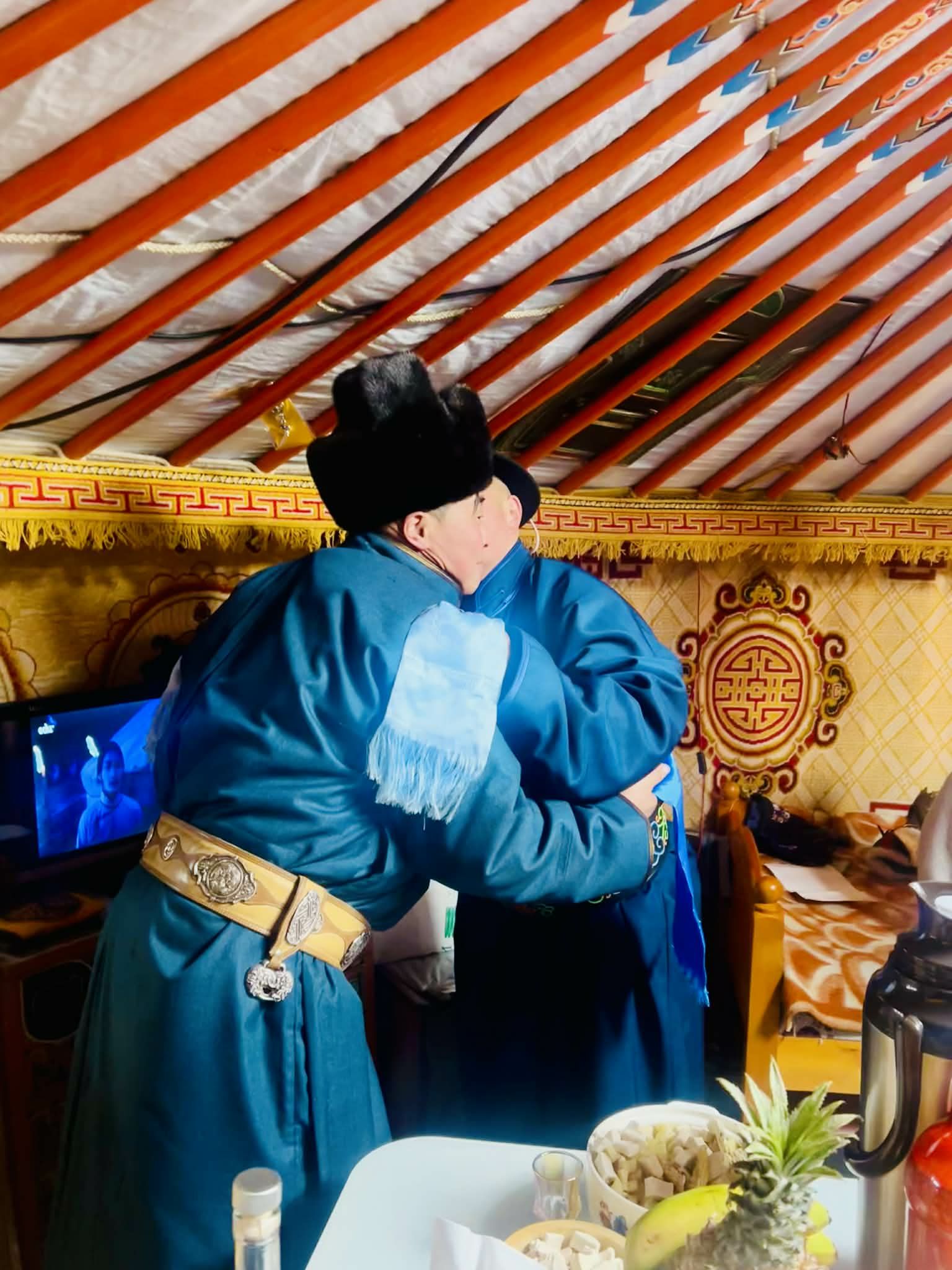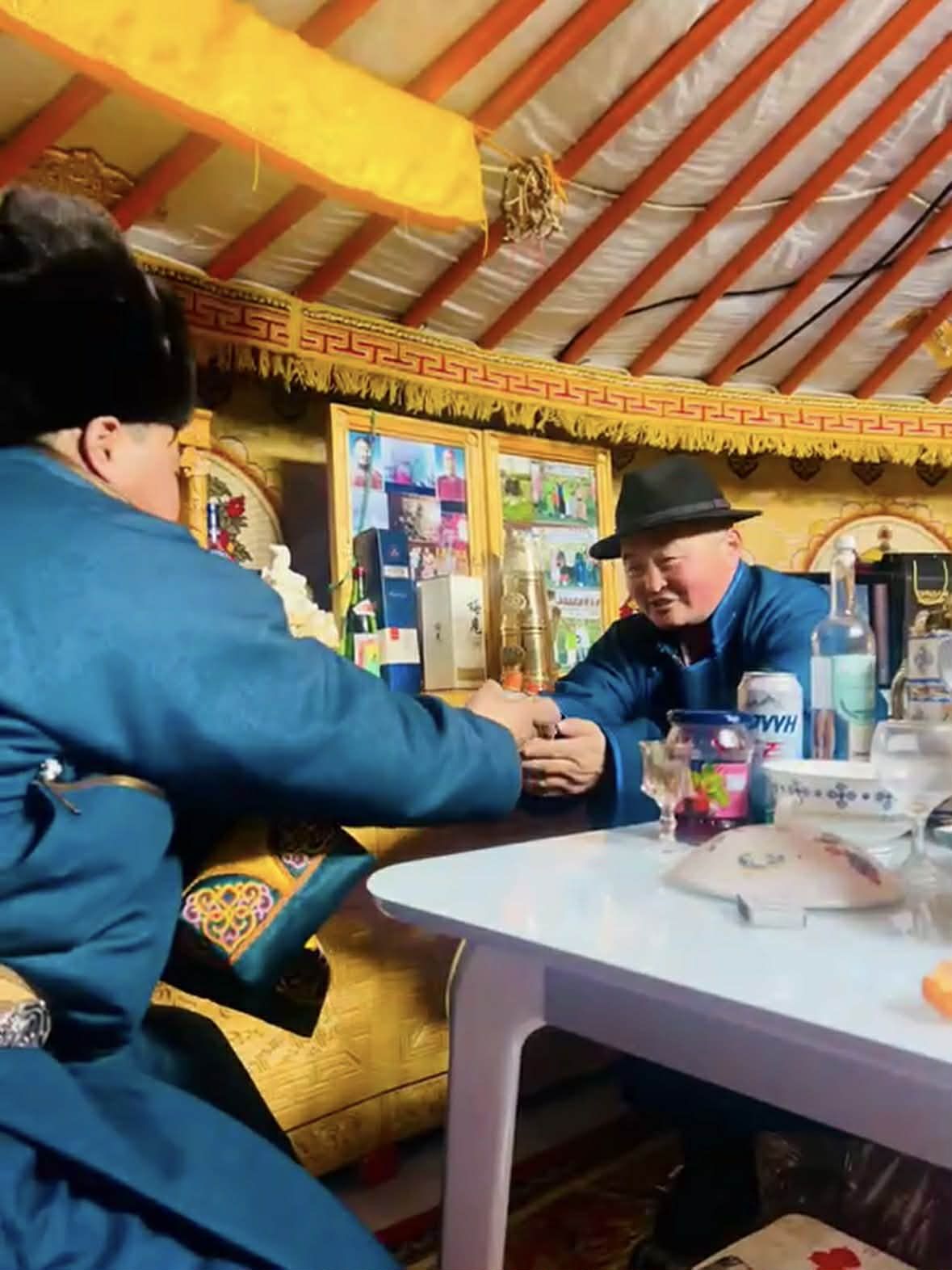


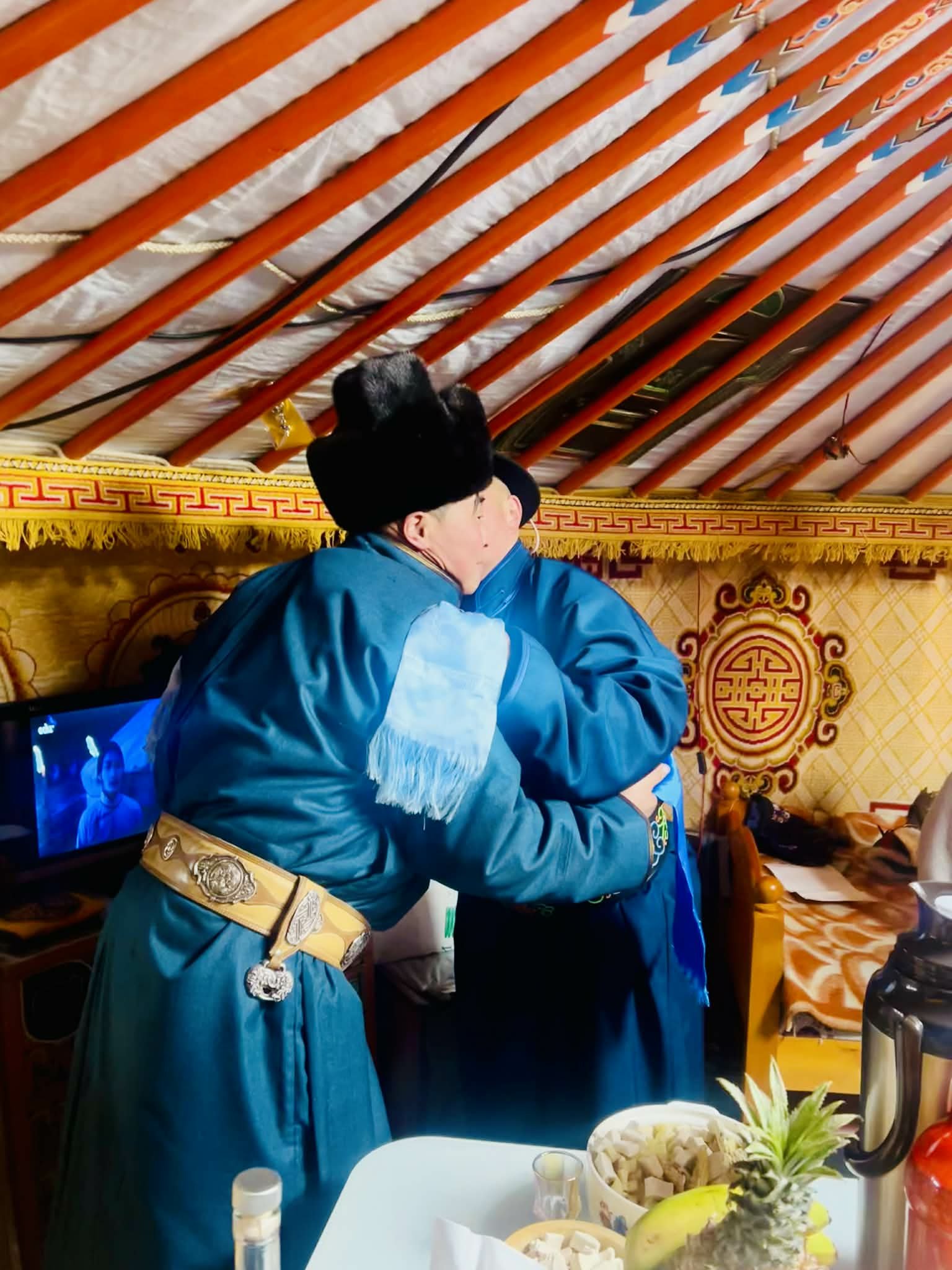
Tsagaan Sar is Mongolia’s warm, joyful celebration of winter’s end, the arrival of spring, and the start of a new year. It brings families and communities together to honor ancestors, show respect for elders, strengthen kinship, teach the young, and share hopes for good fortune in the months ahead.
- Its roots come from pastoral and nomadic life: when harsh winters end and spring returns, people celebrate renewed life. Historically the new year was once marked in autumn as the “Milk Month,” but from the 13th century it moved to the first spring month and became known as Khuwis Sar or Tsagaan Sar. The festival gained national importance with the rise of the Mongol state under Chinggis Khan and was further shaped by later Buddhist influences that added religious rites and ceremonies.
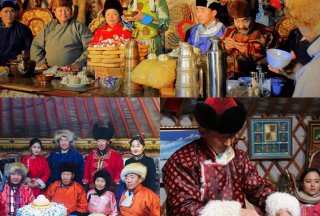
Traditionally Tsagaan Sar has two main parts: bidding farewell to the old year (bituuleh) and welcoming the new one (shineleh). Preparations include cleaning the home, wearing new clothes, and cooking special foods. Families visit elders to pay respects, exchange gifts, share big meals, and perform symbolic household rites that reinforce continuity and community. The festival also emphasizes letting go of anger, greed, and ignorance, and practicing generosity and restraint.
- Historical travelers like Marco Polo and Rashid al-Din described Tsagaan Sar’s pageantry—processions, decorated chests, music, dance, and generous gift-giving—showing how grand the celebration could be in earlier times. Over the centuries, the festival has adapted to changing political and social conditions; some traditions were restricted in the 20th century but have seen a strong revival since the 1990s.
Today Tsagaan Sar remains a living symbol of family, clan identity, and national culture. Urban observances are often shorter or scheduled to fit modern life, while rural communities keep many fuller traditional practices. As the festival becomes more visible in tourism and public events, there’s a growing effort to preserve its authentic meaning and resist over-commercialization.
More than a holiday, Tsagaan Sar is a moment of renewal—an invitation to reconnect with loved ones, remember the past, and
Welcome the year ahead with respect, generosity, and hope.
Tsagaan‑Sar‑Termine (Bituun = Vorabend) 2026–2030
2026: Bituun – 16.02.2026 (Neujahrstag 17.02.2026)
2027: Bituun — 05.02.2027 (Neujahrstag 06.02.2027)
2028: Bituun – 25.01.2028 (Neujahrstag 26.01.2028)
2029: Bituun — 12.02.2029 (Neujahrstag 13.02.2029)
2030: Bituun — 02.02.2030 (Neujahrstag 03.02.2030)
Celebrate with us—join next year’s Tsagaan Sar festivities and make new memories together! Please write to us to [email protected]